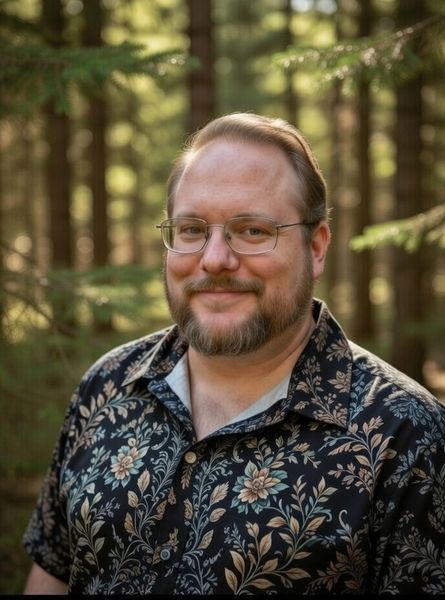
About Daniel
I came to this work the long way around, through my own experiences with trauma, attachment, identity, and figuring out how to live as a queer person in a world that didn't always make space for that. Twelve-plus years in, what keeps me here is genuine curiosity about people. I'm not interested in a polished version of you. I want the actual one.
I started Discovery Path because too many practices treat therapy like a transaction and treat their associate clinicians like cheap labor. I wanted somewhere different: a place where the clients get a therapist who can show up real, and the clinicians get the supervision and clinical scaffolding to actually grow into the work. That's the practice I tried to build.
My own clinical background sits in trauma and PTSD, attachment patterns, BPD and emotion dysregulation, identity work, and the specific terrain of being LGBTQ+, including gender transition support. I'm comfortable with polyamory and non-monogamy, and I have a soft spot for people who are deconstructing the religion they grew up with. I have ADHD myself, so the neurodivergent brain doesn't need translating. That orientation is what shapes how I supervise and what kind of practice Discovery Path is.
What I Bring to Supervision
Trauma & PTSD
LGBTQ+ Affirming
Queer therapist; gender transition support
BPD & Emotion Dysregulation
Attachment & Identity
Polyamory & Non-Monogamy
Mood Disorders
Clinical Orientation
Three words: direct, warm, irreverent.
Warm and present, honest about what I'm seeing, and not above a well-placed joke. That's the orientation behind how I supervise, and what I look for when I bring clinicians on. The therapists at Discovery Path each have their own voice and approach, but the underlying clinical lens runs through all of it: real conversation, not a monologue delivered at a polite stranger.
Communities Discovery Path Serves
Age groups served: Teens (13–17, with Symphony), young adults (18–25), adults (26–40), midlife adults (41–60), older adults (60+).
In Daniel's Words
"I'd rather have a real conversation with you than a polite one. That's what good therapy actually is."
Something I say a lot in session: "What would it look like if you stopped performing being okay?"
Outside of therapy: I have ADHD and I build software to keep my own brain pointed in the right direction. I run on too much coffee and not enough patience for clinical jargon. I love a long walk, a long conversation, and people who are working on becoming themselves.
If You're Considering Discovery Path
My caseload is full at the moment, so I'm keeping a waiting list. My deepest work is with adults navigating complex trauma, attachment patterns, BPD, and gender and identity questions, the things the usual frameworks don't quite hold. If that's what you're carrying and you want to work with me specifically, add your name and I'll be in touch when a spot opens.
If you'd rather start sooner, I'd point you to the people I work alongside, and I mean that as a recommendation rather than a consolation. Stormie is deeply at home with gender and identity work, trauma, and LGBTQ+ and transgender-affirming care. Symphony works with teens 13+ and adults carrying anxiety, depression, trauma, and life transitions. Kelsey works with grief of every kind, caregiver burnout, medical trauma, and neurodivergent folks and the parents raising them. The one thing I'd genuinely wait for me on is BPD and emotion dysregulation, which is the corner of this work that's most specifically mine.